
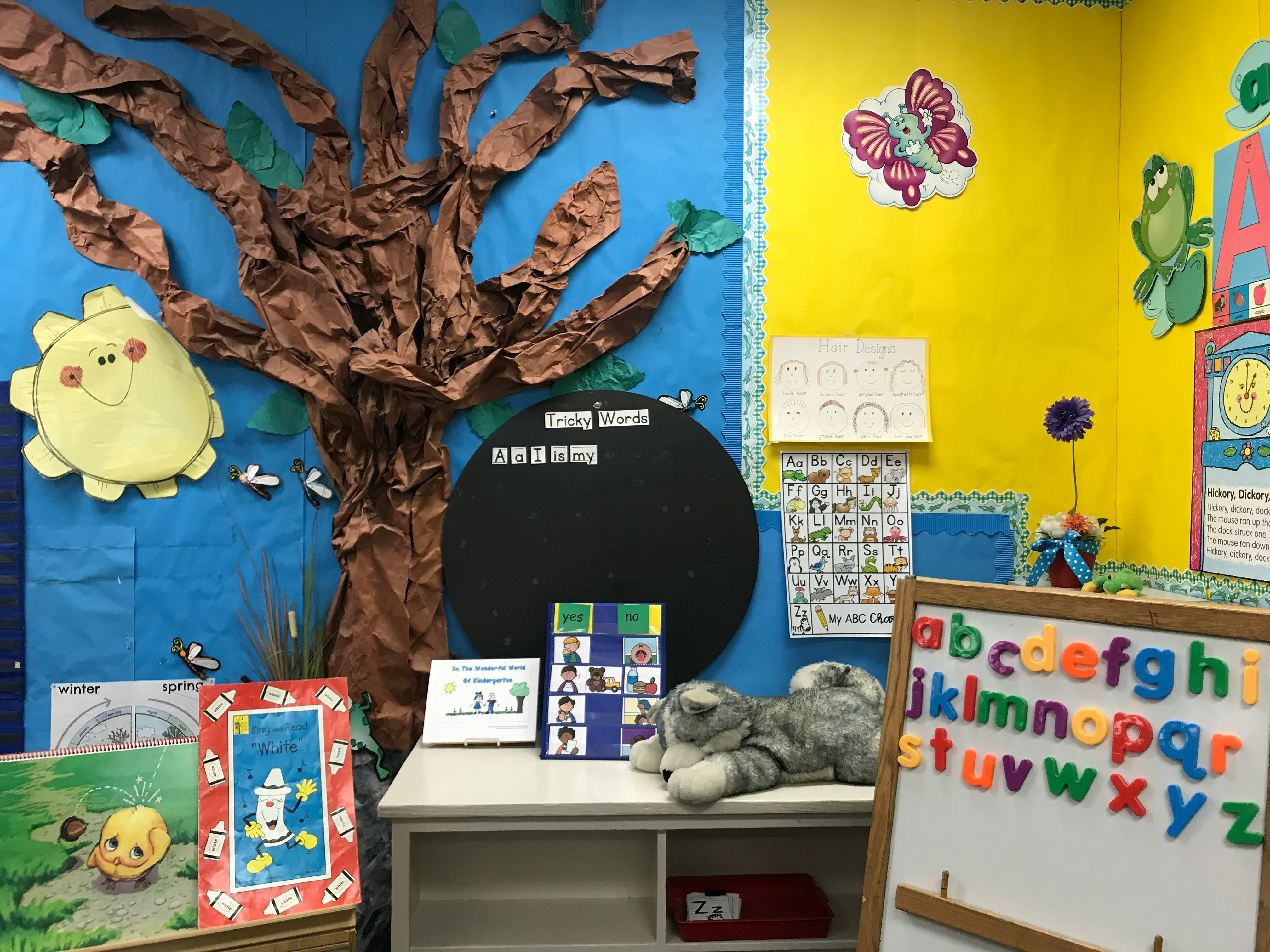
If you’ve been in Korea for more than five minutes — or scrolled through any expat parent group — you’ve probably heard the term 영어유치원 (yeongeo yuchiwon), or “English kindergarten.” And if you have a child here, you’ve almost certainly been asked: “Are you sending them?”
I’ve been asking myself the same question.
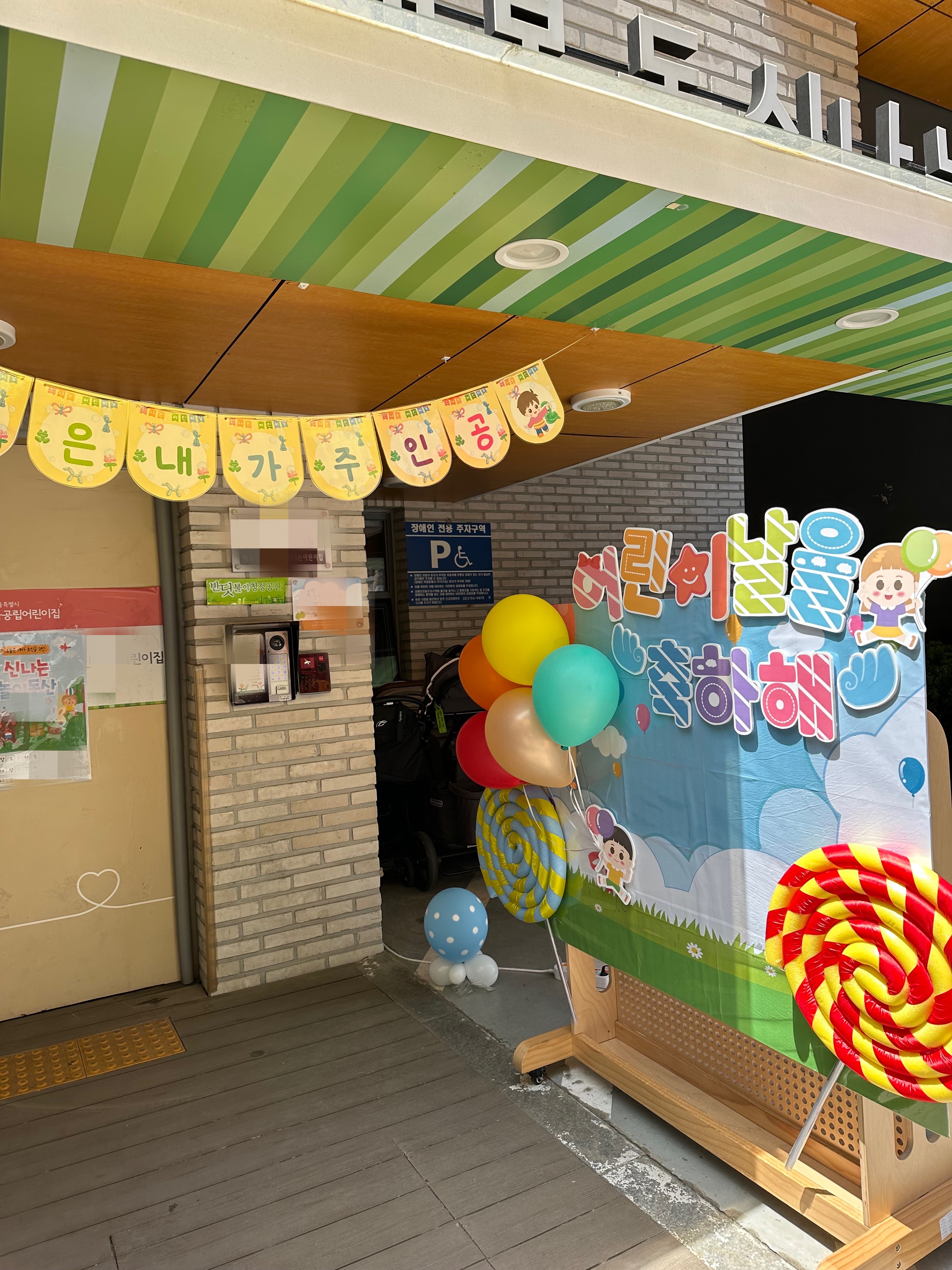
My daughter Jiwoo currently goes to a daycare center (eorinizip). She’s happy, she’s thriving, and she absolutely loves her teachers. But with her kindergarten years approaching, I’ve found myself tumbling down a rabbit hole that every parent in Korea seems to fall into eventually: the English kindergarten debate.
Let me break it down for you — because it’s more layered than it looks.
First, What Is a Regular Korean Kindergarten Actually Like?
This might surprise you: Korean public and standard private kindergartens are not the academic pressure cookers you might expect.
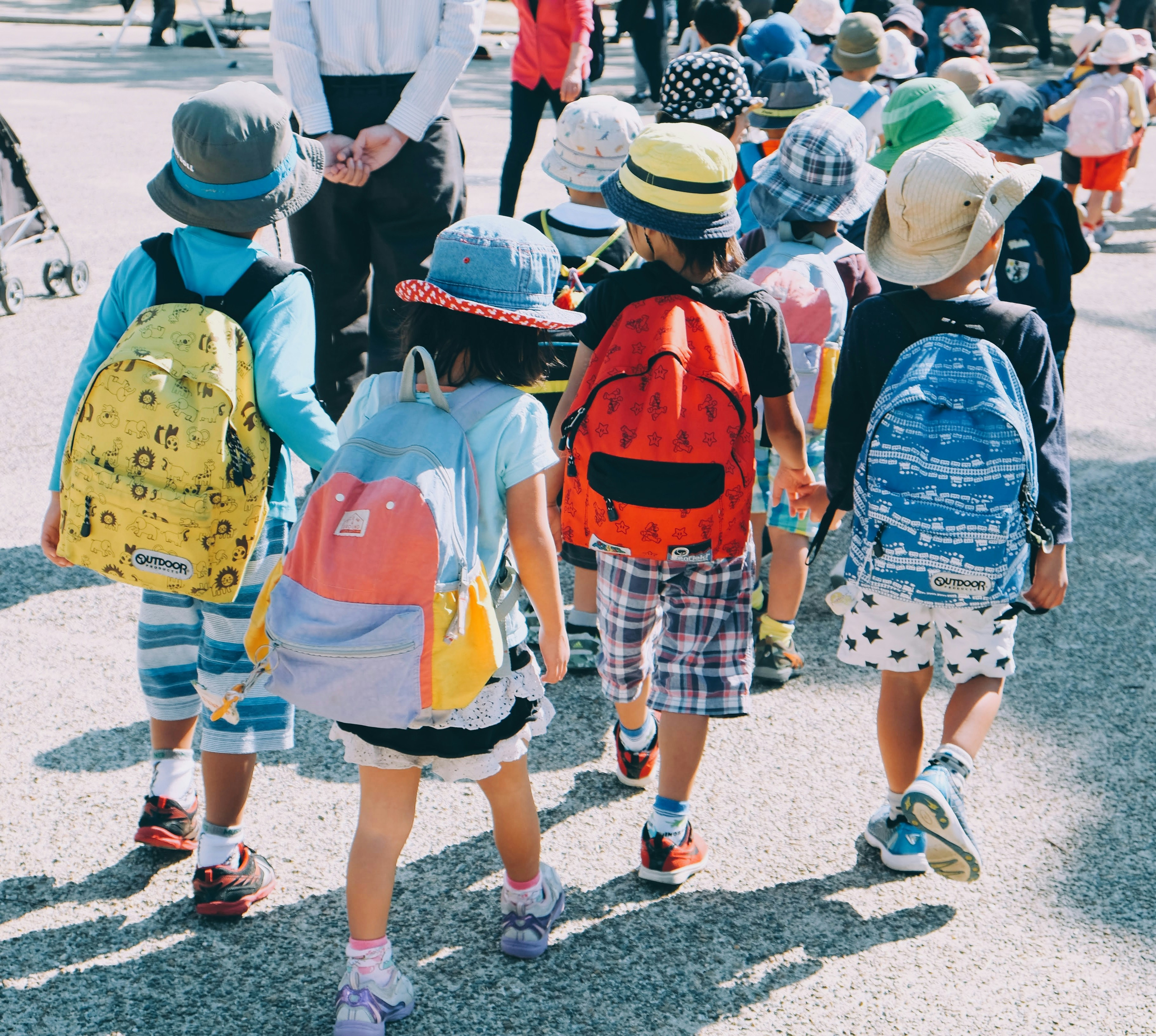
They follow the national curriculum called Nuri Curriculum (누리과정), a play-based framework designed for children ages 3–5. The focus is on:
- Free play and exploration
- Social skills and emotional development
- Physical activity and creative arts
- Communication and language
In fact, there’s a common saying among Korean parents: “Kindergarten is for playing, not studying.” Reading and numbers come up, but rote academics aren’t the goal. It’s warm, nurturing, and honestly quite lovely.
So What Exactly Is an English Kindergarten?
Here’s where it gets interesting — and a little complicated.
Legally speaking, English kindergartens aren’t kindergartens at all. Most are classified as hakwon (학원) — private tutoring academies — not schools under the Ministry of Education. But Koreans universally call them English kindergartens (영유, or yeongyu for short), and in practice, they function exactly like full-day preschools.
The difference? Everything is in English.
From morning circle time to snack breaks to art class to conversations with teachers — it’s a total English immersion environment, often 6 to 8 hours a day. Think international school, but for three-year-olds.
Why Are Korean Parents So Into It?
To understand the English kindergarten phenomenon, you have to understand something about Korea’s relationship with English.
Here, English isn’t just a foreign language. It’s a career credential. For decades, English proficiency has been a key differentiator in university admissions and job markets. The national anxiety around it is real and deeply rooted.
So the logic many parents follow goes something like this:
“If my child starts English at 3, they’ll be fluent by elementary school. If they start at 7, they’ll always be behind.”
Browse any Korean mom community (맘카페, mam-cafe) and you’ll see this play out in real time — parents sharing before-and-after videos of their kids speaking English, debating which school has the best “native teacher ratio,” calculating whether the tuition is worth it.
I actually talked about this with some of my coworkers recently. What struck me most was the advice I got from moms in Mokdong — one of Seoul’s most education-driven neighborhoods. Their message was pretty unambiguous: “If you’re thinking about high school and university entrance exams down the line, stretch your budget and send her to English kindergarten. It’s worth the sacrifice.” Coming from women who have watched their own children navigate Korea’s notoriously competitive academic pipeline, that wasn’t something I could easily dismiss.
And yes — the tuition is significant. In Seoul and the greater metro area, popular English kindergartens can run ₩1.5 million to ₩2.5 million per month (roughly $1,100–$1,900 USD). That’s comparable to a car payment. For preschool.
But Here’s What I Keep Thinking About
I’ll be honest: the cost alone gives me pause. But the bigger question tugging at me is more fundamental.
At this age, does English really need to come first?
Jiwoo is three. She’s learning Korean — her mother tongue — right now. She’s figuring out how to express her feelings, narrate her day, argue with me about why she doesn’t want to put on shoes. All of that is happening through language. Through Korean.
If she spends most of her waking hours in an English environment, what happens to that foundation?
This is actually one of the central debates within Korea itself. Proponents of English kindergartens argue that early exposure leads to native-like fluency and accent. Critics — including some child development researchers — argue that mother tongue development should come first, and that fragmenting a child’s language environment too early can create gaps in both languages.
There’s no clean consensus. And that uncertainty is a big part of why the debate is so charged.
What Expat Parents Often Think (And Why It’s Interesting)
Something I’ve noticed talking to American, European, and Australian parents here: most of them don’t feel the same urgency.
The broader Western parenting discourse tends to emphasize:
- Reading together at home
- Unstructured play
- Emotional security and attachment
- Language development through daily conversation
Yes, bilingual households exist everywhere and bilingual education is valued — but the idea that a child must be in a full English immersion program before age 5 or they’ll fall behind? That framing is pretty specific to the Korean context.
Of course, it’s worth acknowledging the obvious: for American, British, or Australian families, English is the mother tongue. The urgency Korean parents feel around English acquisition simply doesn’t exist when your child is already swimming in the language at home. So the comparison isn’t perfectly apples-to-apples — and I think that’s worth sitting with.
Still, it’s fascinating to watch. And it makes me reflect on how much of our parenting instincts are shaped by the culture around us.
I Still Haven’t Decided
Jiwoo’s kindergarten decision is still a few months away. My thinking might shift completely by then — that’s the nature of parenting, right?
But what I keep coming back to is this: the English kindergarten debate isn’t really just about English. It’s about anxiety, aspiration, and the very Korean impulse to give your child every possible advantage before the race even begins.
And in that way, it tells you so much about what it means to raise a child in this country — whether you grew up here or arrived with a suitcase and a lot of questions.
Have you navigated the English kindergarten decision in Korea? What did you choose — and why? Or maybe you haven’t faced the decision yet — what do you think about English kindergartens in general? I’d love to hear your thoughts in the comment
Leave a Reply