
If you’re raising a child in Korea, kindergarten is one of the first big decisions you’ll face — and the options are more varied than you might expect. Here’s a straightforward breakdown to help you figure out what’s available and what might work for your family.
Age and timing
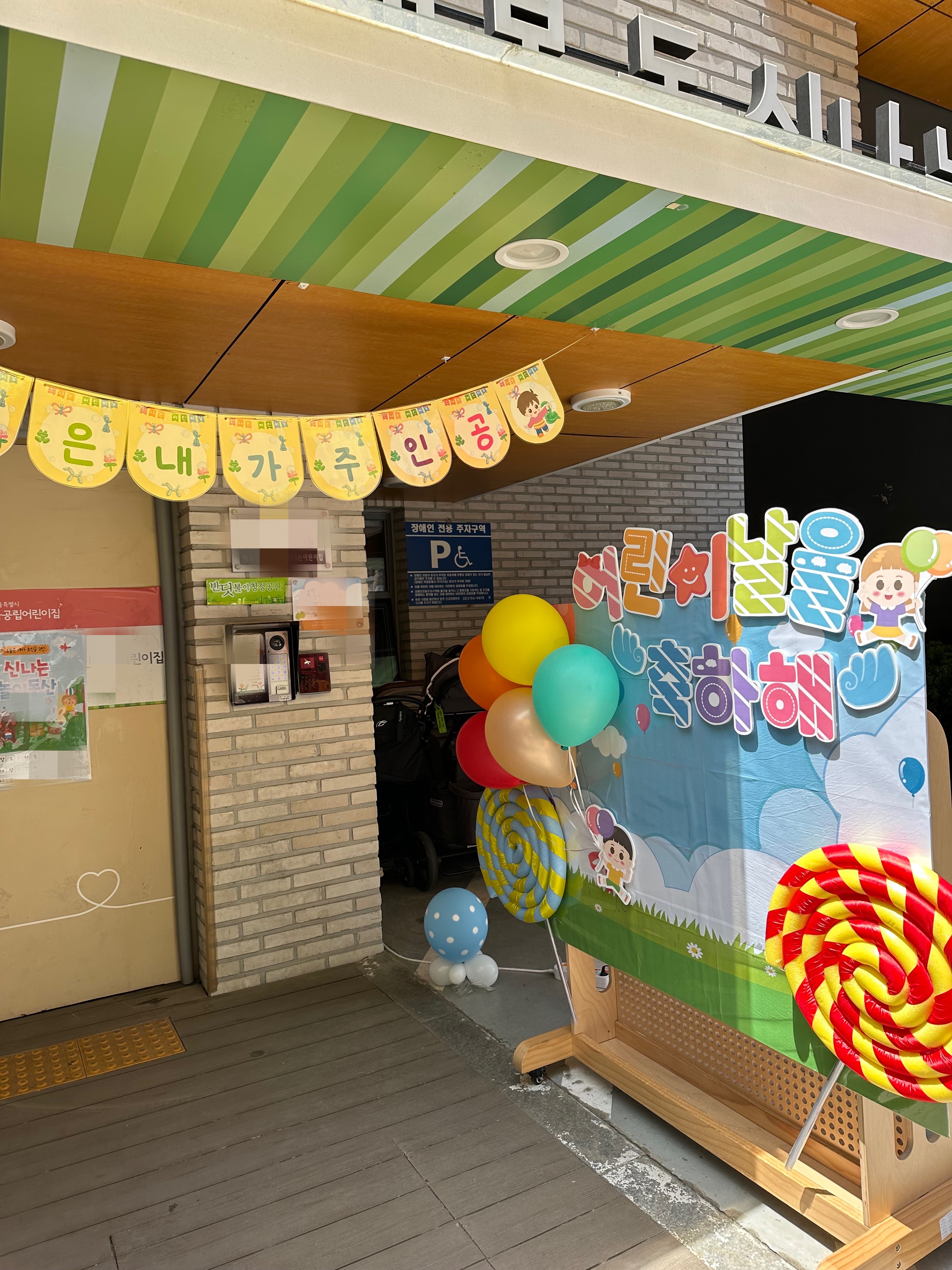
Kindergarten (유치원, yuchiwon) is for children aged 3 to 5, grouped into three year-based classes. Most attend until elementary school, which starts around age 6 or 7.
The Korean school year begins in March. Applications open between October and December the year before. Popular schools fill up quickly, so start looking earlier than you think you need to.
(Younger children typically attend daycare — 어린이집 — before kindergarten. More on that in a separate post.)
The four types of kindergarten in Korea
1. Public Independent Kindergarten (단설유치원)
A standalone government-run kindergarten with its own campus, principal, and staff. Facilities are generally good — proper classrooms, playgrounds, libraries. The curriculum is play-based and child-centered, focused on social and emotional development rather than early academics.
These schools are well-regarded and affordable. The downside is that spots are competitive.
Best for: Families who want quality at a low cost.
2. Public Attached Kindergarten (병설유치원)
Same government funding and curriculum, but located inside an elementary school. Facilities tend to be smaller, and the elementary school principal oversees everything — so kindergarten-specific needs don’t always get first priority. Lunch is often shared with the older kids, which some parents find a poor fit for younger children.
On the upside, your child gets familiar with the school they’ll likely attend for elementary.
Best for: Families who want a low-cost, stable option with a smooth transition to elementary school.
3. Private Kindergarten (사립유치원)
Private kindergartens vary a lot — in size, approach, and quality. Most offer longer hours, a school bus, and more specialized programs (languages, music, art, coding). Tuition is higher than public options, and quality is inconsistent, so visiting in person matters.
One subcategory worth knowing about: university-affiliated kindergartens (대학부설 유치원). These are technically classified as private kindergartens, but they operate a bit differently. Many are run by universities with early childhood education departments, which means curriculum development often involves specialists in the field. They tend to have a clear educational philosophy — play-based learning, project approaches, creative development — and parent satisfaction rates are generally high. The catch is that spots are limited and competition is stiff. Tuition is roughly in line with other private kindergartens, so not cheap, but not as steep as English kindergartens either.
Best for: Families who need extended hours or want a more tailored curriculum. University-affiliated options are worth looking into if you want private-school quality with a more research-grounded approach.
4. English Kindergarten (영어유치원)
Full-day English immersion programs. Technically, many are licensed as private language academies rather than official kindergartens. Teaching philosophies vary widely — some are academic, others are play-based or Montessori-inspired. Tuition is high.
If English is a priority for your family, these programs do offer substantial exposure. But visit a few before deciding — the difference between schools can be significant.
Best for: Families prioritizing English, or planning for international schools down the line.
Quick comparison
| Type | Cost | Facilities | English Exposure |
|---|---|---|---|
| Public Independent (단설유치원) | Low | Excellent | Low |
| Public Attached (병설유치원) | Low | Moderate | Low |
| Private (사립유치원) | Medium–High | Varies | Varies |
| University-Affiliated (대학부설 유치원) | Medium–High | Good | Low |
| English Kindergarten (영어유치원) | High–Very High | Good | Very High |
How to choose
There’s no single right answer. Many families here combine options — public kindergarten for the quality and price, then English classes or other activities after school, since public kindergartens typically end in the early afternoon.
The main things to weigh: budget, your child’s personality, location, working hours, and longer-term school plans. Visit the schools you’re considering if you can. A school your child is happy to go to every day is worth more than any list of features.
More posts coming on how to apply, what things cost, and the difference between kindergarten(유치원) and daycare(어린이집).
If you have questions or want to share your experience, leave a comment below.
Leave a Reply