
Everything Else the Korean Pharmacy Has That You Didn’t Know to Look For
We covered pharmacy skincare in the last post. This one is about everything else.
Because Korean pharmacies — particularly the good ones in Namdaemun — aren’t just stocked with moisturizers and scar creams. They’re where Korean parents go to load up on children’s probiotics before a long trip. Where office workers pick up lutein for their eyes. Where families do a semi-annual supplement haul that covers everyone from the baby to the grandparents.
If Olive Young is where you go when your skin is doing fine and you want it to do better, the pharmacy is where you go to take care of everything else.
Here’s what’s worth knowing.
For Children
BioGaia Probiotics
One of the most recognized probiotic brands for babies and young children in Korea. Parents reach for it to support digestive health — particularly after a course of antibiotics, or during stretches of digestive discomfort that small children are frustratingly prone to. Available in drop form for infants and in other formats for older children.
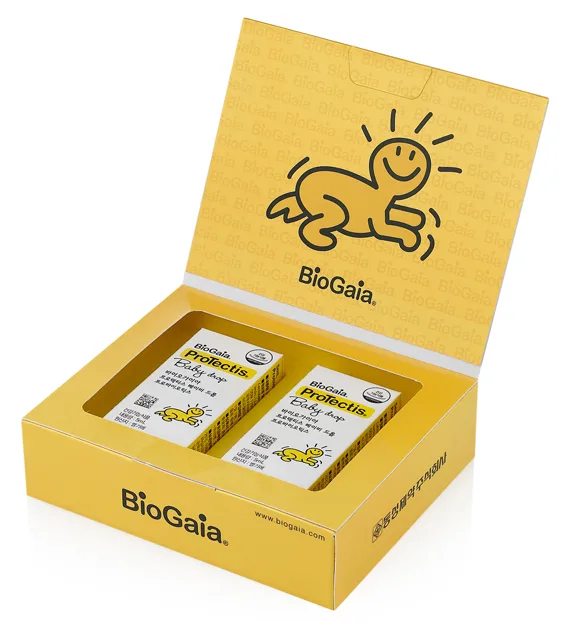
Always confirm the appropriate product and dosage for your child’s age with the pharmacist. Probiotic formulations vary more than the packaging always makes obvious.
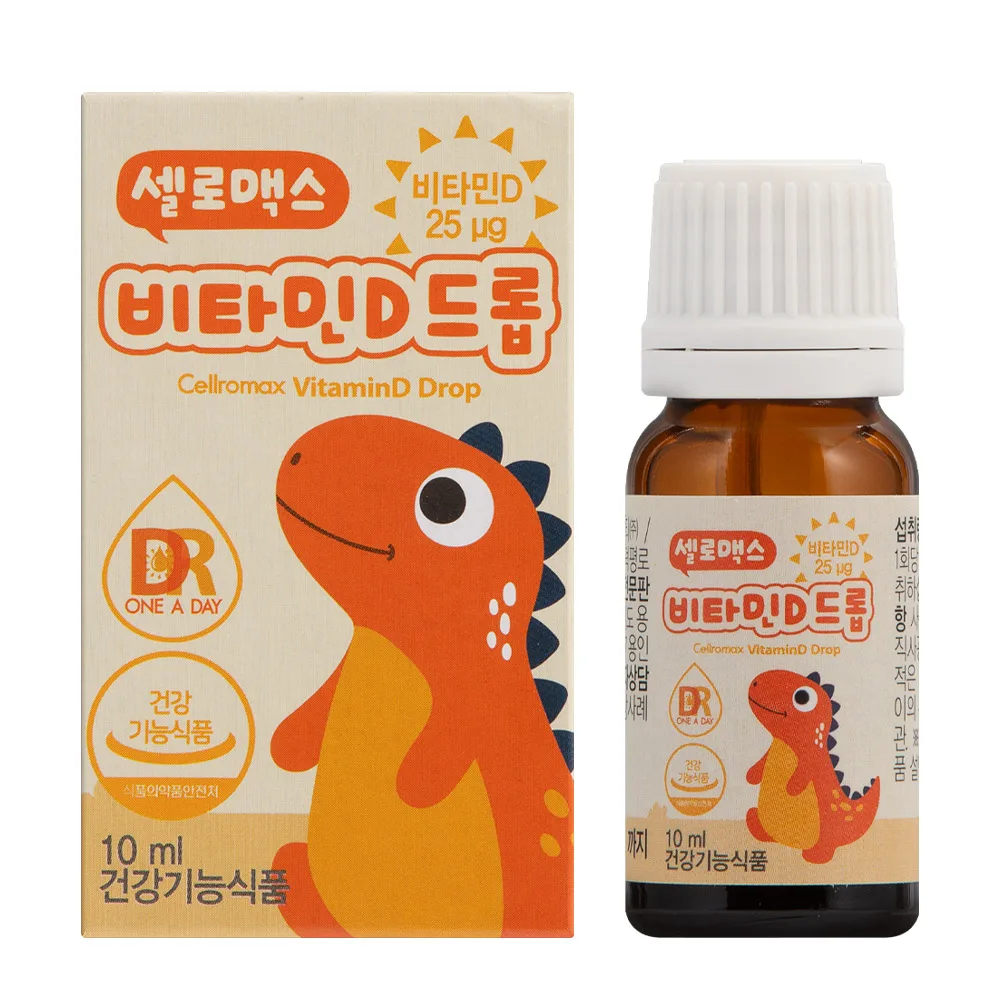
Vitamin D Drops
Vitamin D supplementation for infants is widely recommended in Korea, and pharmacies carry several reliable brands. The pharmacist can help you identify the right dosage for your child’s age — this is a case where asking matters, because the correct amount varies significantly depending on how old your child is.
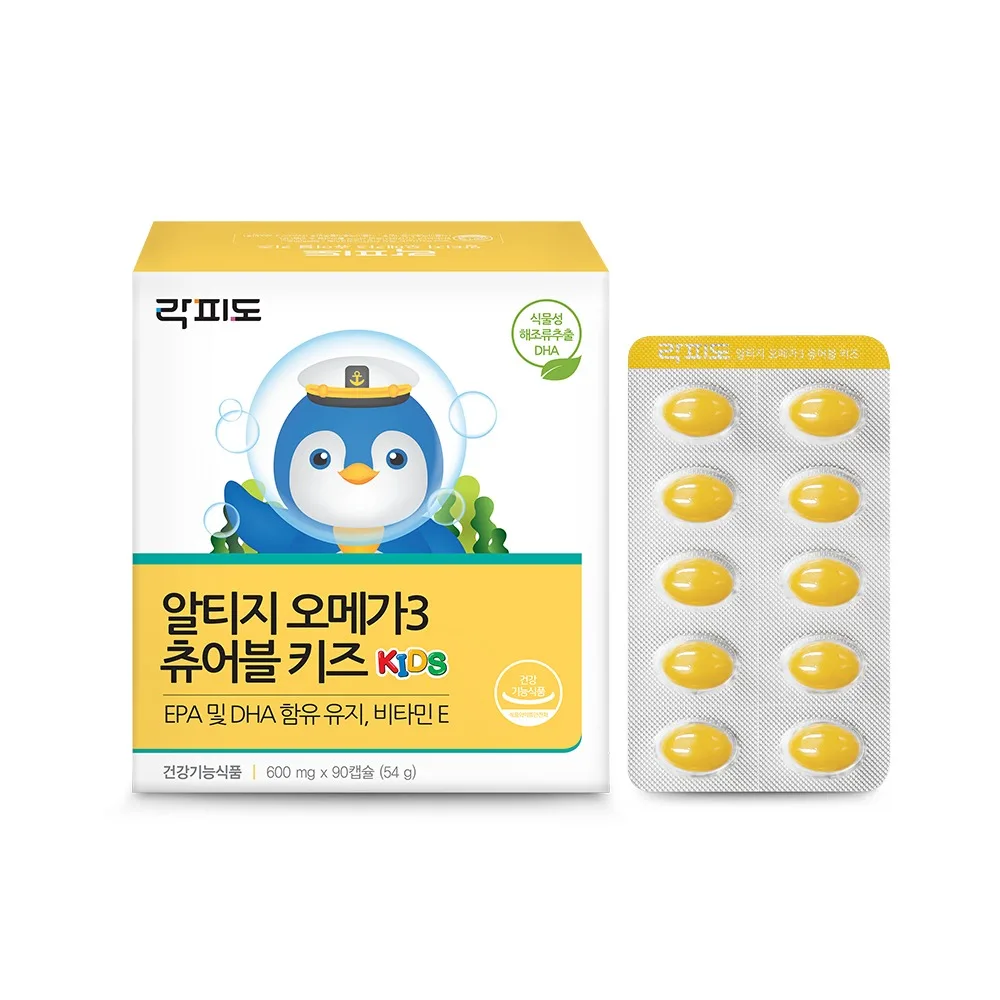
Omega-3 for Kids
Available in chewable and liquid forms designed specifically for children rather than scaled-down adult formulas. If your child is in a phase of refusing anything that doesn’t taste like fruit, the chewable versions tend to fare better.
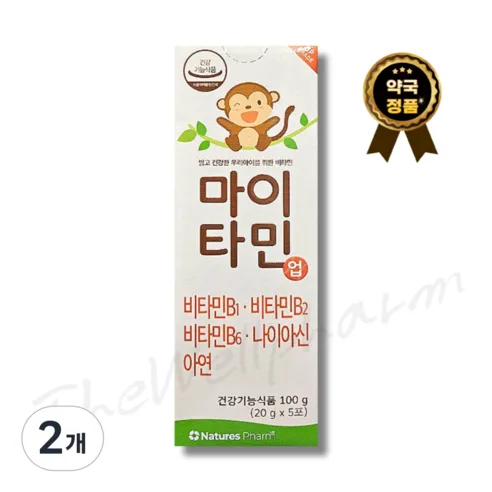
Children’s Multivitamins
Gummy, chewable, syrup — Korean pharmacies carry a range of formats, which is useful when you have a child with strong opinions about texture. Ask the pharmacist which option is appropriate for your child’s age and diet.
For Adults
Orthomol Immun
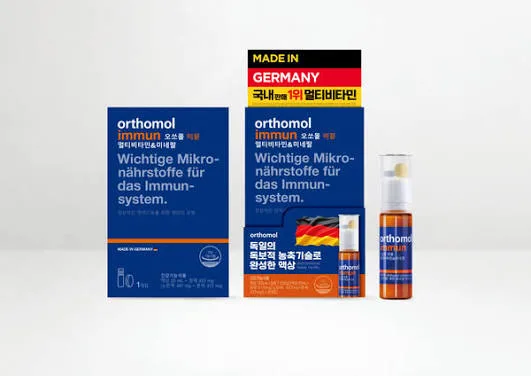
One of the best-known premium supplement brands in Korea. Many adults keep it in rotation during busy periods, seasonal transitions, or when they want a comprehensive daily supplement rather than piecing together individual vitamins. On the pricier side relative to individual supplements, but has a loyal following for a reason.
Magnesium
Consistently among the most commonly purchased supplements at Korean pharmacies. Multiple brands, multiple formulations. If you’re not sure which type is right for you, the pharmacist can explain the differences — magnesium glycinate, citrate, and oxide are not interchangeable in the way the labels sometimes imply.
Omega-3
A mainstay. Concentrations vary significantly between products, so comparing labels is worthwhile if you have a specific reason you’re taking it. The pharmacist can help you understand what you’re actually getting.
Lutein
Popular among office workers and anyone spending extended hours in front of screens — which in Korea is a substantial portion of the adult population. Available in standalone supplements and combined formulas.
Vitamin B Complex
A regular daily supplement for many Korean adults, particularly those in high-stress work environments. Different B complex formulations emphasize different ratios of B vitamins, so if you have a specific reason for taking it, it’s worth asking which formulation makes sense.
Practical Travel Essentials (Don’t Overlook These)
The supplement aisle gets most of the attention, but the practical items in Korean pharmacies are equally worth noting.
Hydrocolloid acne patches are everywhere and considerably cheaper than they tend to be elsewhere. Artificial tears, saline nasal spray, mosquito bite relief cream, burn gel, blister bandages — all of these are well-stocked and reasonably priced. Disposable masks and hand sanitizer are available in bulk quantities that are useful if you’re traveling with children.
These aren’t glamorous purchases, but they’re the kind of thing you’re grateful to have when you need them and very glad you bought in advance.
Shopping at Namdaemun: What Actually Helps
Weekday mornings are meaningfully calmer than weekend afternoons. If you have flexibility, Tuesday or Wednesday morning is the sweet spot — less competition for popular items and shorter waits at Wangsol.
Bring a list. The selection is large enough that open-ended browsing tends to result in either buying too much or forgetting what you came for.
Most pharmacies accept credit cards, so cash isn’t usually necessary. Comparing prices between two or three pharmacies before committing to a large purchase takes about ten minutes and is genuinely worth it for supplement hauls.
And ask questions. Korean pharmacists are experienced, accustomed to customers who don’t know exactly what they want, and generally willing to spend time helping you choose between similar products. This is particularly true at the Namdaemun pharmacies, which see a wide range of customers and are used to it.
A Few Useful Korean Phrases
If you’re navigating without Korean, these will help more than you might expect.
이 제품 있어요? — Do you have this product?
건성 피부에 추천해 주세요. — Can you recommend something for dry skin?
어떤 비타민이 가장 인기가 많나요? — Which vitamin is most popular?
영어 설명서가 있나요? — Is there an English instruction sheet?
A translation app handles most situations beyond these, and pharmacists in tourist-adjacent areas are experienced at working around language barriers.
Before You Buy
Prescription medicines require a Korean prescription — this applies even if you have a prescription from your home country. Regulations differ between countries, and what’s available over the counter here may not be in your home market, or vice versa.
If you’re pregnant, breastfeeding, have allergies, or take prescription medication: tell the pharmacist before purchasing anything. This isn’t overcaution — some supplements interact with medications in ways that matter, and Korean pharmacists are well-placed to flag those interactions.
And if you’re planning to bring vitamins home: check your country’s customs rules before you travel. Most personal-use quantities clear customs without issues, but it’s worth knowing in advance.
Internal Link Suggestions:
External Link Suggestions:
What’s on your Korean pharmacy shopping list? And if you’ve made the Namdaemun trip, I’d love to know what made the cut.

Leave a Reply