
Korean Culture Centers: The Weekly Tradition Every Expat Parent Needs to Know
Table of Contents
- What Is a Korean Culture Center?
- Why Korean Families Love Them
- Pro Tip: Try a One-Day Class First
- Classes We’ve Actually Tried (And Loved)
- How Much Does It Cost?
- How to Register
- Tips for Foreign Families
- FAQ
Every expat parent in Korea hears about it eventually. From another parent at the playground, or in a Facebook group, or from the cheerful poster you keep walking past inside your local Homeplus. Culture Center.
I assumed it meant some light finger-painting. Maybe a craft here and there. I did not expect it to become the highlight of our entire week.
Korean Culture Centers — 문화센터 — are seasonal educational programs run by major retailers like Homeplus, Lotte, Hyundai, and Shinsegae. They exist inside department stores and supermarkets, which sounds a little odd until you realize this is actually a very Korean kind of genius: meaningful weekly enrichment for your child, located somewhere you’re already going. One elevator ride. No cross-city trek to a specialist studio.
What Is a Korean Culture Center?
Not daycare. Not preschool. A Culture Center is a recreational and educational program — one class per week, 40 to 60 minutes, across a 10 or 12-week semester. You’ll find them inside:
- Homeplus → school.homeplus.co.kr
- Hyundai Department Store → ehyundai.com/newCulture
- Lotte Department Store → culture.lotteshopping.com
- Shinsegae Academy → academy.shinsegae.com
Programs run from babies through elementary school age, and there are adult classes too — cooking, yoga, calligraphy. The children’s programs focus on learning through play: music, movement, sensory activities, storytelling, art, cooking, and physical play. No tests. No grades. Just fun.
→ Looking for somewhere to go after class? [Best Family-Friendly Cafés Near Isu Station, Seoul]
Why Korean Families Love Them
For many Korean parents, Culture Center day is genuinely one of the best days of the week — and once you’ve tried it, it’s not hard to see why.
Children get structured, instructor-led playtime with peers. They build social confidence, develop motor skills, and get the kind of whole-body sensory experience that’s genuinely hard to recreate at home. Parents get a planned outing, a professional leading the activity, and — maybe most importantly — a room full of other families at the same stage of life.
In a city where it can be easy to feel isolated with a small child, that weekly rhythm matters more than it might seem.
Pro Tip: Try a One-Day Class First
Here’s something that took me a while to discover: most Culture Centers offer one-day trial classes (원데이 클래스) before the full semester begins.
If you’re not sure which class your child will love, or you just want to get a feel for the environment before committing to a 10-week program, this is the perfect way to start. One session, no pressure, no long-term registration required.
I’d genuinely recommend doing this before signing up for anything. Some children take to certain formats immediately; others need a different kind of class entirely. The trial takes the guesswork out of it.
Classes We’ve Actually Tried (And Loved)
Alice Ballet at Homeplus Isu
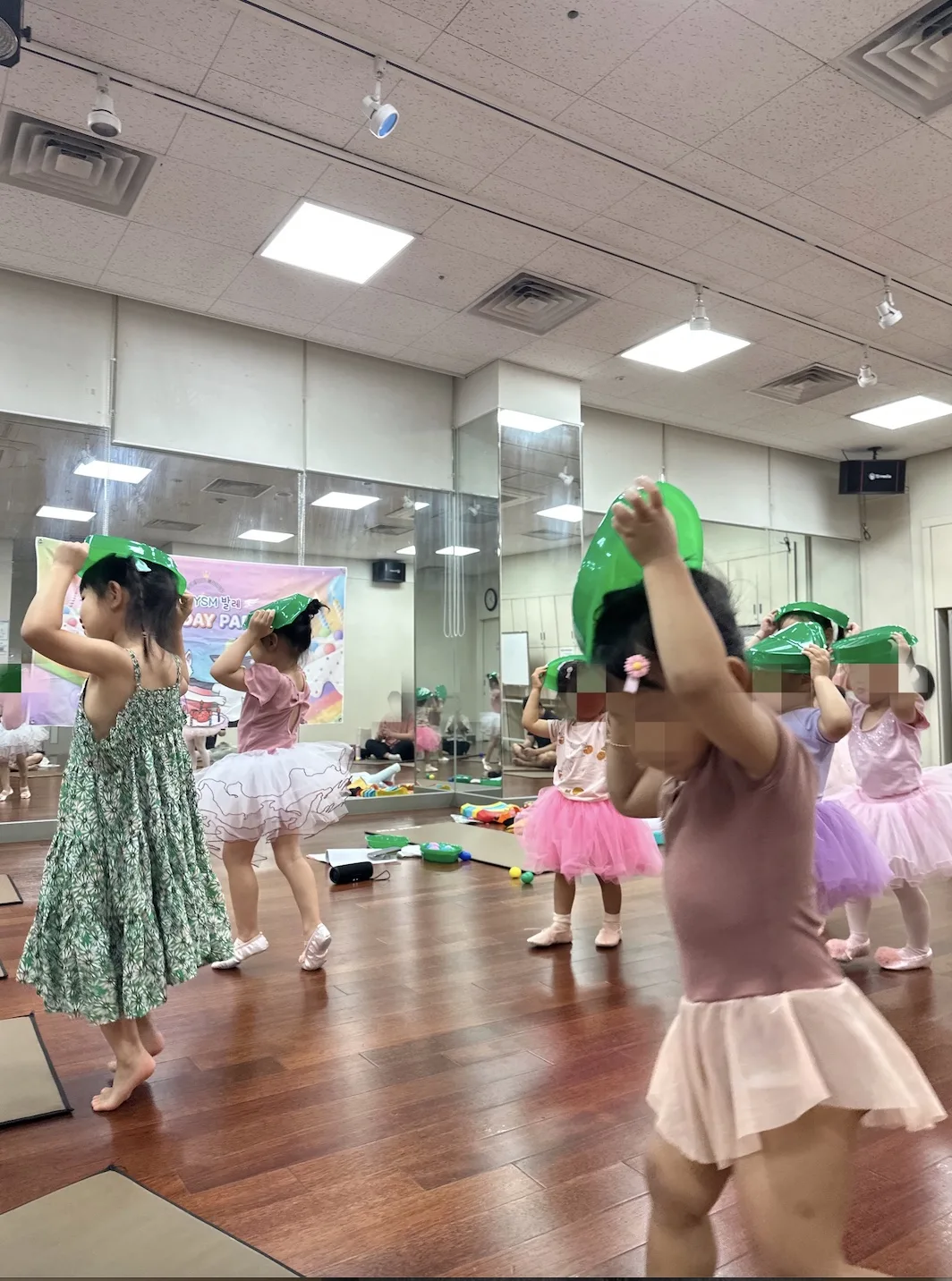
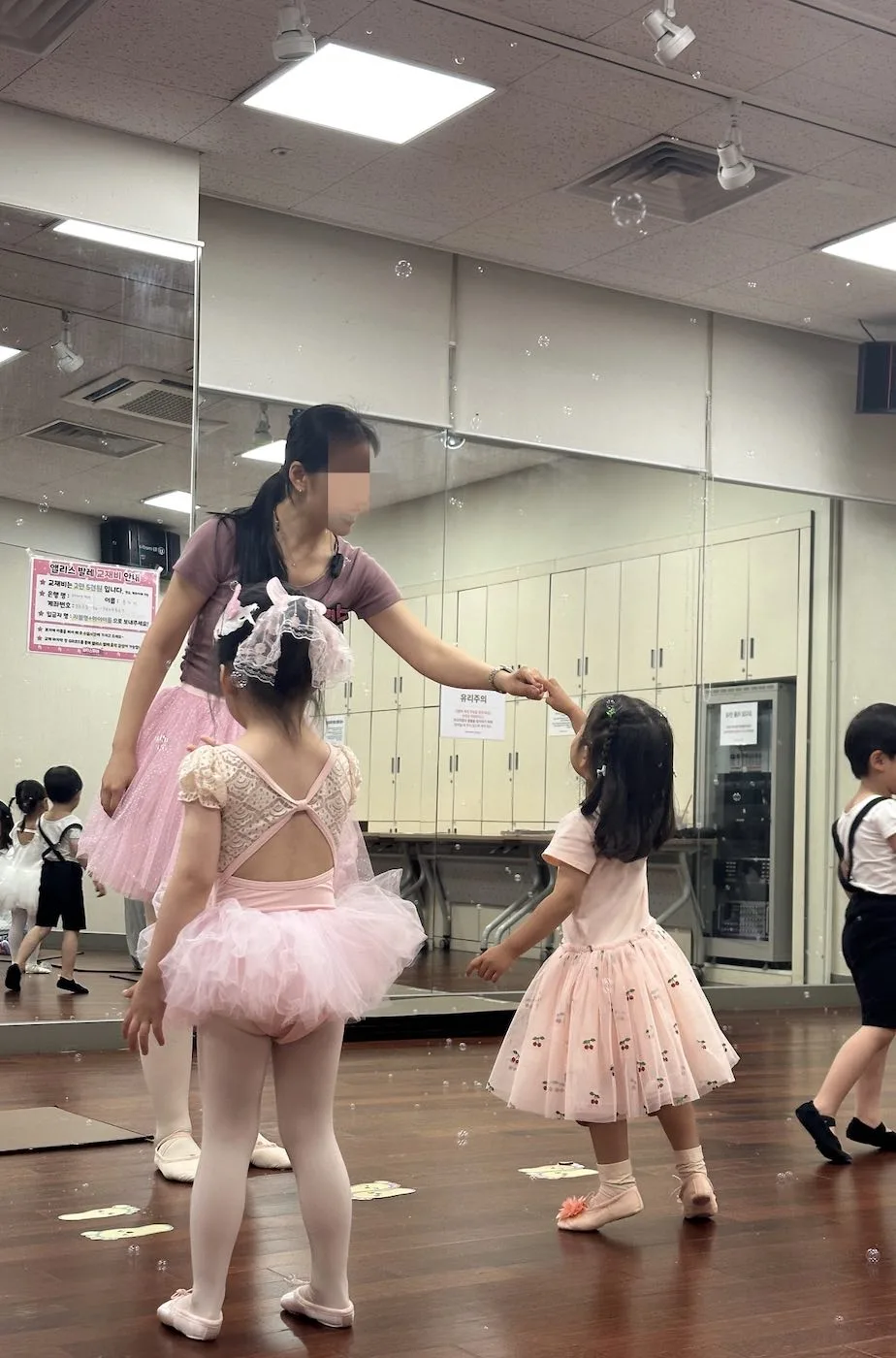
Despite the name, this is not a technical ballet class — and that’s exactly why toddlers love it. Each week centers on a classic fairy tale. For Aladdin, the children heard the story first, then lived it: dancing, jumping, singing, and playing their way through the narrative. My child ran toward the door every single week. That’s the review.
Clay Art (클레이 수업)
A surprisingly absorbing class for small hands. Children work with soft, colorful clay to make animals, food, little figures — whatever the theme of the day is. It’s tactile, calm, and genuinely creative. My child was focused in a way I rarely see at home, and left with something to proudly show off every session.
Sensory Play (오감체험놀이)
Exactly what it sounds like, and wonderful for babies and younger toddlers. Water, sand, slime, textures, sounds — each class introduces a different sensory experience in a safe, guided environment. Messy? Yes. Worth it? Absolutely.
Tuni Tuni (트니트니) Dance and Gymnastics
Korea’s beloved children’s physical education program, and a staple at most Culture Centers. It combines simple gymnastics, dance, and rhythm exercises in a way that is somehow both structured and completely chaotic in the best possible way. Children burn energy, build coordination, and come home genuinely tired. For parents of high-energy toddlers, this one is practically essential.
→ Also worth reading: [Navigating Pediatric Healthcare as a Foreign Parent in Korea]
How Much Does It Cost?
Culture Centers are excellent value compared to private programs in Seoul.
Most toddler classes run between 80,000 and 120,000 KRW for a 10-week semester — roughly 8,000 to 12,000 KRW per session. There’s often a one-time textbook or materials fee of around 20,000 to 30,000 KRW. Our Alice Ballet semester, for reference, was 100,000 KRW plus a 25,000 KRW textbook fee.
One-day trial classes are usually available at a lower single-session rate — worth checking directly with your local center.
How to Register
This is the part that catches most new parents off guard: registration moves fast.
Classes are divided into four seasonal semesters — Spring, Summer, Autumn, and Winter. Enrollment typically opens one to two months before the semester starts. Summer classes often open as early as April or May. Popular toddler classes can fill within days, sometimes hours.
Set a calendar reminder. Seriously.
All registration is done online through each retailer’s official website. Google Chrome’s auto-translate handles most pages well enough to get through the process. Once you’ve registered once, it becomes much more familiar.
Official registration links:
- Homeplus: school.homeplus.co.kr
- Hyundai: ehyundai.com/newCulture
- Lotte: culture.lotteshopping.com
- Shinsegae: academy.shinsegae.com
Tips for Foreign Families
You don’t need Korean to enjoy these classes. Children’s programs run on music, movement, and visual demonstration — your child will follow along naturally. I’ve watched toddlers with no shared language play together with complete ease.
It’s also one of the most natural ways I’ve found to experience everyday Korean parenting culture from the inside. The families you meet at Culture Center become the ones you run into at the playground, the pediatric clinic, the school gate. It’s a genuinely warm entry point into local life.
FAQ
Can foreigners join Korean Culture Centers?
Yes, absolutely. Centers are open to everyone. Children’s classes are movement and music-based, so language isn’t a barrier. Registration pages can be navigated with browser translation, or you can ask for help at the in-store service desk.
How much does a Culture Center class cost in Korea?
Most toddler classes run 80,000–120,000 KRW per 10-week semester, plus a small materials fee. One-day trial classes are available at a lower rate.
Is there a trial option before committing to a full semester?
Yes — most Culture Centers offer one-day trial classes. It’s a great way to test a class before registering for the full program.
How do I register?
Online through each retailer’s website (links above). Enrollment opens 1–2 months before the semester. Popular classes fill quickly, so mark the date.
What age are the classes for?
Programs start from around 6 months old through elementary school age. Adult classes (cooking, yoga, calligraphy) are also widely available.
Do I need to speak Korean?
For children’s classes, not really. Browser translation tools work well for registration pages.
Have you tried a Culture Center class with your child? I’d love to hear which one was the hit.
Internal Link Suggestions:
- “Best Family-Friendly Cafés Near Isu Station, Seoul” → 777.7 Space post
- “Navigating Pediatric Healthcare as a Foreign Parent in Korea” → CDC Dental post
External Link Suggestions:
Leave a Reply